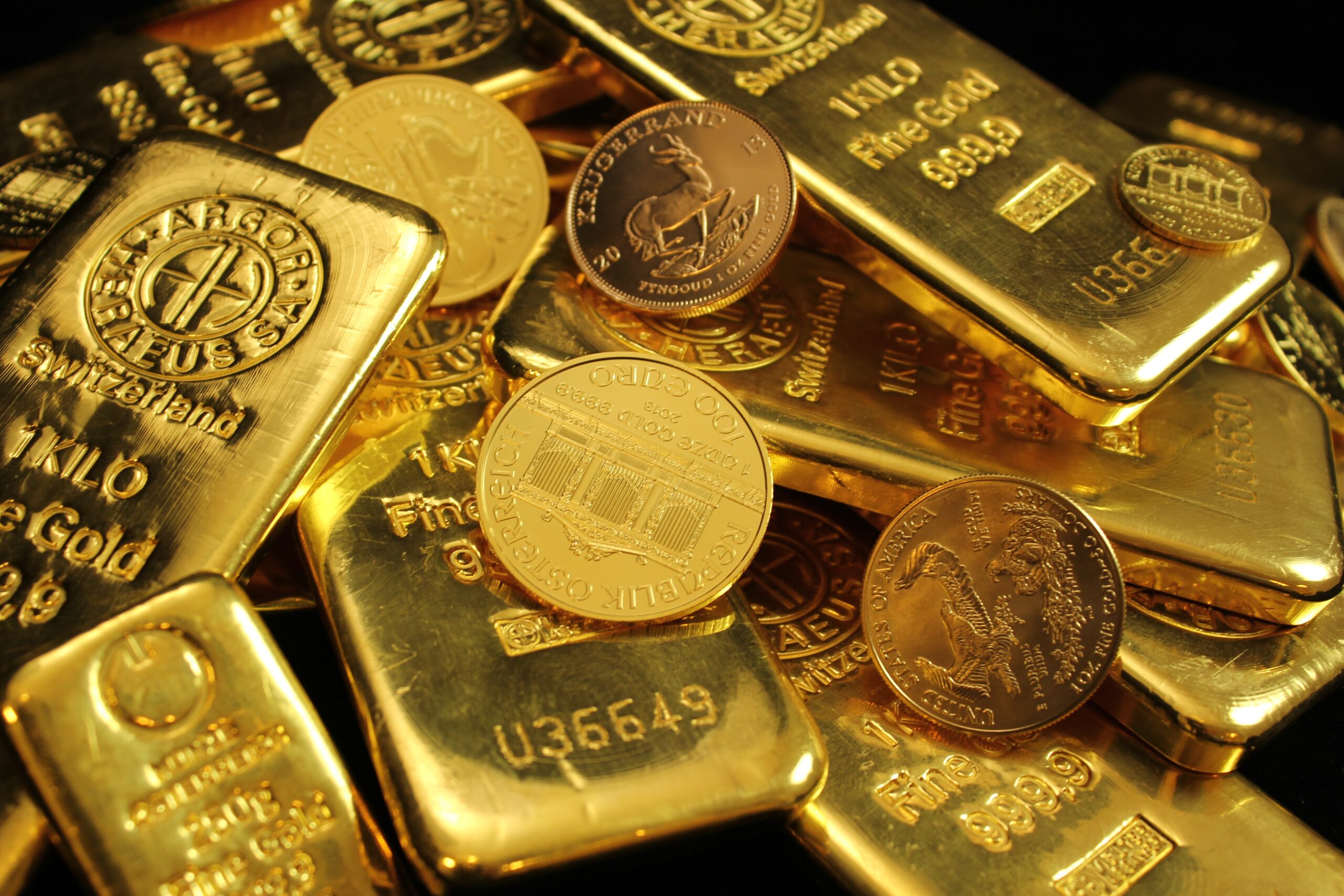
American Hartford Gold: A Capitalist’s Viewpoint on Fees and Prices
Introduction
In a world where investment choices are plentiful, several turn to precious metals as a bush versus economic uncertainty. Amongst the myriad of companies that facilitate this financial investment is American Hartford Gold. This short article explores an investor’s perspective on American Hartford Gold, focusing especially on their charges and rates. By examining different elements of the firm, possible financiers can make educated decisions regarding whether to trust them with their hard-earned money.
American Hartford Gold: A Capitalist’s Viewpoint on Charges and Prices
When it involves purchasing gold, silver, and other rare-earth elements, understanding the prices included is pivotal. American Hartford Gold has positioned itself as a leading gamer out there, but what do their fees and costs really look like? In this section, we will study different elements of their prices structure and exactly how they stack up against competitors.
1. Review of American Hartford Gold
1.1 Business Background
Founded by a group of knowledgeable professionals in the financial sector, American Hartford Gold intends to provide clients with seamless accessibility to precious metals investments. Their mission revolves around making the process simple and clear for capitalists whatsoever levels.
1.2 Mission Statement
American Hartford Gold’s objective emphasizes integrity, customer care, and education. They strive to encourage capitalists with understanding regarding the benefits of precious metal investments.
2. Comprehending Precious Metals Investment
2.1 Why Invest in Valuable Metals?
Investing in silver and gold has actually been a time-honored custom for centuries. These assets typically retain value during financial downturns, making them appealing for diversification within a financial investment portfolio.
2.2 Kinds of Valuable Metals Provided by American Hartford Gold
- Gold: The ultimate priceless metal.
- Silver: A more inexpensive alternative to gold.
- Platinum & Palladium: Typically ignored yet beneficial additions.
3. Cost Structures at American Hartford Gold
3.1 Initial Arrangement Fees
Many companies charge a preliminary setup fee when developing a make up precious metal investments. Comprehending these costs upfront can assist you evaluate your total financial investment potential.
What are the normal initial arrangement fees?
American Hartford Gold typically forgoes preliminary charges for bigger financial investments, which can be useful for severe investors.
3.2 Annual Upkeep Fees
Annual maintenance fees cover account management services offered by firms like American Hartford Gold.
How a lot are annual upkeep fees typically?
These costs normally range from $75 to $300 depending upon the dimension and type of your investment– something worth taking into consideration when assessing total costs.
4. Prices Transparency at American Hartford Gold
4.1 Place Rate vs Premiums
The place price is what you’ll discover estimated online; nevertheless, premiums are added by dealers like American Hartford Gold based upon demand and availability.
How do premiums impact total costs?
Premiums can differ based upon market conditions and item types– comprehending these costs assists you assess whether you’re obtaining a reasonable deal.
4.2 Contrast with Competitors’ Prices
It’s crucial to contrast rates with other companies in the market to guarantee you’re making a smart financial investment choice.
How does American Hartford Gold price against its competitors?
By comparing specific items side-by-side with various other suppliers’ offerings, one can identify if American Hartford Gold provides affordable rates or not.
5. Client Service Experience
5.1 Relevance of Customer Support in Investing
In any kind of monetary deal, specifically involving something as significant as precious metals, attentive customer care plays an essential duty in guaranteeing trustworthiness.
What sort of customer service can you get out of American Hartford Gold?
Their trained agents are known for being well-informed and responsive– a necessary element when browsing intricate financial investment decisions.
5.2 Testimonies from Customers About Their Experience
Many customers have actually admired American Hartford Gold’s customer support approach– often mentioning tailored assistance throughout their investment journey.
6. Investment Adaptability Offered by American Hartford Gold
6.1 Self-Directed IRAs vs Standard Investments
Investing via a self-directed IRA enables greater versatility contrasted to standard retirement accounts– a critical consideration for smart investors checking out long-term gains.
Can you utilize your individual retirement account funds with American Hartford Gold?
Yes! They concentrate on assisting in rare-earth element Individual retirement accounts that permit consumers to expand their retired life profiles effectively.
7. Safety Actions Taken by American Hartford Gold
7.1 Storage Options Available for Investors
Understanding where your spent possessions will be stored is critical– American Hartford uses numerous safe storage space alternatives customized to financier needs.
What storage remedies does American Hartford provide?
They companion with reputable facilities that focus on safety and security actions consisting of monitoring electronic cameras and insurance policy protection for peace of mind.
8. Market Patterns Impacting Costs of Priceless Metals
8.1 Economic Indicators Influencing Steel Prices
Several economic signs impact gold and silver prices– including inflation rates, rates of interest, and geopolitical events– which financiers should watch on when navigating their investments.
How do these indicators influence my investment?
Being knowledgeable about market patterns aids expect rate variations so you can make timely purchasing or offering decisions.
9. Potential Returns on Investment with American Hartford Gold
9.1 Historic Performance Analysis
Historical information showcases just how financial investments in gold have actually done over time– in some cases outmatching stocks during economic downturns.
What returns can I expect from buying gold?
While past efficiency doesn’t guarantee future outcomes, numerous professionals recommend that diversifying into rare-earth elements like gold may produce positive end results long-term.
10. Understanding Tax Implications
10.1 Resources Gains Tax
Investors need to realize that offering precious metals might sustain funding gains tax under specific conditions based upon profit earned from sales beyond original purchase cost levels.
How does capital gains tax put on my investments?
Consulting with a tax professional can clarify specific effects based upon specific circumstances concerning metal deals performed via organizations such as American HartfodGold.
11 FAQ Section
Q1: What are the main benefits of investing with American HartfodGold? A: Investors take advantage of transparent pricing frameworks in addition to strong customer assistance services developed especially for leading people throughout their investing journey!
Q2: Are there any kind of covert charges associated with my account at AmercianHartfordGold? A: No! They satisfaction themselves on transparency pertaining to all applicable fees prior to commencing any transactions!
Q3: Just how do I initiate an IRA account making use of AmercianHarfordGold’s services? A: Beginning your IRA requires submitting required documentation which they help you within order streamline procedures seamlessly!
Q4: Can I market my properties via AmercianHartfordGold when purchased? A: Definitely! They supply buyback options permitting customers transform holdings back into money whenever desired!
Q5: Is it safe saving my metals away from home utilizing AmercianHartfordGold’s companions’ facilities? A: Yes! Partnered facilities focus on protection guaranteeing peace-of-mind while securing useful possessions!
Q6: What kinds products/duration does AmercianHartfordGold advise keeping longer-term versus short-term trading approaches? A: Lasting holders normally prefer coins/bars due well Client retention rate balanced recognition prices whereas investors opt lesser-known products subject quick fluctuations responses market impacts!
Conclusion
Investing in precious metals can act as both a protective procedure against market volatility as well as an opportunity for profit generation over time– specifically when working alongside trusted firms like AmercianHartfordGold which focuses on openness while giving valuable resources intended encouraging its customers toward achieving success! By understanding fee frameworks valuing nuances outlined here viewers acquire important insights needed making notified selections throughout their specific trips within this amazing realm finance!
This short article has actually explored various facets bordering “American HartfodGold” consisting of charge frameworks linked investments together with development potential provided via diverse product selections readily available customer base today! Whether somebody thinks about starting initial steps towards securing future stability riches structure endeavors we hope findings provided below show critical directing pathways toward optimum end results possible ahead!
Safeguarding Your Future: Just how and Why to Convert an IRA to Gold
Introduction
In the globe of investing, making sure a safe and secure financial future is extremely important. One increasingly preferred technique is transforming typical Individual Retired life Accounts (Individual retirement accounts) right into gold Individual retirement accounts. This technique not only uses diversification however also functions as a hedge versus rising cost of living and financial instability. In this thorough overview, we will discover the different facets of transforming an individual retirement account to gold, answering concerns like “how to transform IRA to gold” and reviewing why this approach has actually gotten traction among smart investors.
What is an IRA?
Understanding Person Retirement Accounts
A Person Retired life Account (INDIVIDUAL RETIREMENT ACCOUNT) is a tax-advantaged account made to help individuals save for retired life. Typical Individual retirement accounts offer tax-deductible payments, while Roth IRAs offer tax-free https://www.msn.com/en-us/money/markets/how-to-convert-ira-to-gold/ar-AA1I3ZDA withdrawals throughout retirement. Both types have their own set of regulations regarding payment limits and withdrawal penalties.
Types of Individual retirement accounts: A Quick Overview
Why Consider Transforming an IRA to Gold?
The Situation for Priceless Metals
Investing in gold has been a classic practice, frequently viewed as a safe haven during rough economic times. With money changes, increasing national debts, and geopolitical tensions, numerous financiers look for the security that gold can offer.
Benefits of Gold Investments
Protecting Your Future: Just how and Why to Transform an IRA to Gold– The Process Explained
Step 1: Research study Your Options
Before delving into the conversion process, it’s essential to recognize your alternatives extensively. Various custodians offer varying solutions linked to gold investments.
Step 2: Pick a Custodian Specialized in Gold IRAs
Choosing the appropriate custodian is vital as they handle your account’s purchases and ensure conformity with internal revenue service guidelines concerning rare-earth elements investments.
Step 3: Open up a Self-Directed IRA
To convert your existing IRA right into a gold individual retirement account, you need to open up a self-directed account that enables different investments like priceless metals.
Step 4: Fund Your Account
You can fund your brand-new self-directed account by moving funds from your existing IRA or making new payments according to IRS limits.
Step 5: Select Your Gold Investments
Once moneyed, you can pick from numerous IRS-approved gold products such as bullion coins or bars that satisfy particular purity standards.
Step 6: Total the Transaction
Your custodian will deal with purchasing the gold in your place as soon as you have actually chosen your financial investment options.
How Does the Tax Ramifications Function When Converting an IRA?
Understanding Tax Consequences
Converting an existing typical IRA into a gold individual retirement account might set off prompt tax obligation ramifications if not done properly.
Traditional vs Roth Conversion
When moving assets from a conventional individual retirement account:
- You might owe tax obligations on any pre-tax contributions plus earnings taken out throughout conversion.
- A Roth conversion entails paying tax obligations at the time of conversion yet permits tax-free withdrawals later on.
Protecting Your Future: Just how and Why to Transform an Individual Retirement Account to Gold– Key Considerations Before Conversion
Assessing Threats vs Rewards
Before transforming your retired life funds right into gold, evaluate possible risks against rewards:
Consulting with Financial Advisors
Seeking expert guidance can aid tailor investment methods straightened with individual monetary goals and risk resistance levels.
The Function of Storage space in Gold IRAs
Where is Your Gold Stored?
Physical gold has to be kept firmly in an IRS-approved depository as opposed to at home because of regulatory requirements.
Storage Options Include:
- Segregated storage
- Non-segregated storage
- Vault facilities
Frequently Asked Inquiries (Frequently asked questions)
What are the advantages of converting my IRA to gold?
Converting offers defense versus inflation, includes portfolio diversity, and safeguards concrete properties during economic downturns.
Is there a limitation on just how much I can convert?
No details limitation exists; however, yearly contribution limitations still use when adding brand-new funds post-conversion.
Will I incur taxes when transforming my conventional IRA?
Yes; you might owe taxes based on pre-tax contributions and profits taken out throughout conversion unless relocated straight between custodians.
Can I hold other rare-earth elements in my gold IRA?
Yes; silver, platinum, and palladium are additionally eligible under specific problems laid out by the IRS.
Are there costs related to maintaining a gold IRA?
Yes; custodial fees for handling accounts differ extensively based upon solutions provided and vault requirements.
ol4/hr1hr1/##
This post acts as an in-depth guide for people pondering investing in rare-earth elements through their IRAs while resolving typical issues relating to conversions– like “just how to transform an IRA to gold”– and highlighting long-term financial safety and security via tactical planning!
Gold IRA Benefits And Drawbacks: A Deep Dive into Precious Metal Retirement Accounts
Introduction
When it pertains to retired life preparation, diversification is a keystone of a secure financial future. One investment opportunity that has actually gathered focus recently is the Gold Individual Retirement Account (INDIVIDUAL RETIREMENT ACCOUNT). Unlike standard Individual retirement accounts that commonly hold supplies or bonds, a Gold IRA allows capitalists to hold physical gold and various other precious metals as component of their retirement portfolio. Yet what are the Gold individual retirement account pros and cons? This article intends to provide an extensive exploration of this special financial investment car, shedding light on its benefits, disadvantages, and whatever in between.
Gold individual retirement account Benefits and drawbacks: A Deep Dive into Rare-earth Element Retirement Accounts
What is a Gold IRA?
A Gold individual retirement account is a sandiegomagazine self-directed private retired life account that enables you to purchase physical gold, silver, platinum, or palladium. The key distinction from normal Individual retirement accounts hinges on the asset types held within the account. While traditional IRAs typically consist of stocks, bonds, or common funds, Gold IRAs offer a choice to hold rare-earth elements directly.
Understanding Self-Directed IRAs
Self-directed Individual retirement accounts provide financiers greater flexibility than conventional accounts. With a self-directed Gold individual retirement account, you have the freedom to choose which metals you wish to buy, as long as they meet internal revenue service standards. This can include various kinds of bullion coins and bars.
The Benefits of Investing in a Gold IRA
1. Hedge Versus Inflation
One of the most compelling factors for investing in gold is its capacity to act as a bush against rising cost of living. Historically, when inflation rises, so does the cost of gold. This implies that having gold in your retired life profile might aid maintain your investing in power.
2. Portfolio Diversification
Diversification is critical for any kind of robust financial investment approach. By including gold to your retirement portfolio, you can minimize general risk considering that gold typically relocates individually from stocks and bonds.
3. Tax obligation Benefits
Like typical IRAs, contributions to a Gold individual retirement account might be tax-deductible relying on your earnings level and other factors. Additionally, the gains on your financial investments grow tax-deferred till you make withdrawals.
The Negative aspects of Buying a Gold IRA
4. High Charges and Costs
Gold IRAs can feature greater fees contrasted to conventional retirement accounts. These include setup costs, storage space fees for keeping physical gold risk-free, and potential monitoring charges charged by custodians.
5. Minimal Liquidity
While liquidating assets like supplies can be done nearly immediately via online trading systems, selling physical gold might take longer and can involve added costs.
Navigating Gold individual retirement account Regulations
Investing in a Gold individual retirement account isn’t as straightforward as simply getting some bullion; there are policies stated by the IRS that needs to be abided by:
1. IRS Accepted Metals Only
To receive a Gold individual retirement account, only specific types of coins and bars are permitted under internal revenue service guidelines:
- American Eagle Coins
- Canadian Maple Leaf Coins
- Certain bars from approved refiners
2. Custodian Requirement
You can not keep the physical steel on your own; it has to be held by an IRS-approved custodian that specializes in taking care of these types of accounts.
Choosing the Right Custodian for Your Gold IRA
Given the significance of picking a credible custodian for your Gold IRA, consider these factors:
- Experience: Try to find custodians with comprehensive experience in managing priceless metals.
- Fees: Recognize their cost framework– both ahead of time expenses and annual upkeep fees.
- Customer Service: A receptive customer care team will be indispensable if concerns arise.
How to Surrender Existing Retired Life Finances right into a Gold IRA?
If you’re considering moving existing retirement financial savings right into a Gold individual retirement account through a rollover procedure:
Investment Techniques for Your Gold IRA
Investing wisely requires methods tailored especially to your objectives:
1. Long-Term Holding vs Active Trading
Decide early whether you’ll adopt a long-term holding approach or participate in energetic trading based upon market conditions.
2. Dollar-Cost Averaging
This approach entails frequently spending dealt with amounts into your fund no matter price fluctuations– assisting mitigate market volatility risks.
What Kinds of Precious Metals Can You Include in Your Gold IRA?
Besides gold itself, various other precious metals can expand your financial investments:
- Silver
- Platinum
- Palladium
These choices can also offer comparable purposes regarding inflation protection and potential funding appreciation.
How Does Market Volatility Influence Precious Metal Investments?
While many sight rare-earth elements like gold as safe havens throughout financial slumps or market volatility periods:
- Prices may still fluctuate as a result of wider geopolitical concerns.
- Understanding historic trends can help direct timing choices related to purchases or sales.
Tax Effects When Liquidating Your Rare-earth Elements Investment?
Just like any type of various other sort of financial investment lorry:
Common Myths About Buying A Gold IRA
Many misconceptions border this financial investment option:
-
Myth # 1: “All gold investments are created equivalent.”
-
Reality: Different forms bring one-of-a-kind values based upon purity degrees & & need dynamics.
-
Myth # 2: “It’s far too late; I have actually missed my chance.”
-
Reality: Historical information shows cyclical patterns– with chances emerging even during downturn phases!
Frequently Asked Inquiries concerning Gold IRAs
Here are some common concerns individuals ask regarding their potential passion:
- No! It has to be stored securely by a licensed custodian per IRS rules.
2. Are there charges for very early withdrawal?
- Yes! Before age 59 1/2 generally incurs penalties unless certain exceptions apply.
3. Is it feasible to spend only partly with my existing savings?
- Absolutely! You can select how much you want– and even do partial rollovers!
4. What takes place if my picked steel declines dramatically?
- Just like stocks/bonds– the worth may reduce briefly yet traditionally rebounds over time.
5. Are there alternatives past just investing directly right into bullion/coins?
- Yes! Some select mining supplies or ETFs focused entirely on precious metal markets instead!
6. How do I recognize my investments are safe and secure while saved away?
- Authorized custodians make use of sophisticated security procedures consisting of insurance policies covering loss/theft!
Conclusion
In summary, spending with a Gold Person Retired life Account supplies both attracting chances and notable challenges that need mindful consideration before diving carelessly into this arena– for this reason understanding its pros & & disadvantages becomes vital when customizing methods suited towards achieving wanted goals!
By considering both sides attentively while continuing to be familiar with laws bordering this particular niche financial investment course– you’ll enhance possibilities significantly in the direction of constructing wealth successfully throughout retired life years! So ask yourself: Are you ready to explore further?
With cautious preparation and notified decision-making procedures at play– the globe of precious metal pension could open doors leading towards newfound monetary security down roadway ahead!
The Best Gold IRA Companies: Your Path to Secure Retirement
Introduction
In an ever-changing economic landscape, planning for retirement can often feel daunting. With market fluctuations and inflation threatening the value of traditional investments, many are turning towards alternative avenues such as gold and precious metals. This shift has led to a surge in popularity for Gold IRAs, which allow individuals to invest in physical gold as part of their retirement portfolio. But with so many companies offering these services, how do you find the best? In this comprehensive guide, we’ll delve into some of the Best Gold IRA Companies, helping you navigate your way to a secure retirement.
The Best Gold IRA Companies: Your Path to Secure Retirement
When it comes to securing your financial future, understanding your options is essential. The best Gold IRA companies not only provide avenues for investing in precious metals but also offer guidance and support throughout the process. Why should you consider a Gold IRA?
Investing in gold can seem intimidating, but with the right guidance and company backing you up, it can be a smooth journey toward financial security.
Understanding Gold IRAs
What is a Gold IRA?
A Gold IRA is essentially an individual retirement account that allows you to hold physical gold or other approved precious metals as part of your investment portfolio. Unlike traditional IRAs that typically consist of stocks and bonds, a Gold IRA provides diversification through tangible assets.
Types of Precious Metals Allowed
In addition to gold, several other types of precious metals can be included in a Gold IRA:
- Silver
- Platinum
- Palladium
Each metal has its own unique properties and value potential, making them attractive alternatives for investors.
How Does a Gold IRA Work?
Setting up a Gold IRA involves several steps:
Working with established custodians who specialize in precious metals IRAs ensures compliance with IRS regulations while maximizing investment potential.
Why Choose Gold for Your Retirement Portfolio?
Historical Performance of Gold
Gold has been considered valuable since ancient times, serving as both currency and a store of wealth. Historical data shows that during economic downturns or periods of high inflation, gold often retains or increases its value—making it an appealing choice for long-term investors.
Inflation Hedge
Many financial experts recommend including gold in your retirement strategy because it acts as an effective hedge against inflation. As the cost of living rises, so does the price of gold—thereby protecting your purchasing power.
Geopolitical Stability
Gold is not just an asset; it’s also viewed as a safe haven during geopolitical instability or uncertainty. Investors flock to gold when markets are volatile, further driving up its value.
Choosing the Right Gold IRA Company
Reputation Matters
When evaluating different companies, reputation should be at the forefront of your decision-making process. Look for firms with strong track records and positive reviews from existing customers.
Fees and Costs Involved
Understanding fees associated with setting up and maintaining a Gold IRA is crucial:
- Setup Fees
- Annual Maintenance Fees
- Storage Fees
- Transaction Fees
A clear breakdown of these costs will help you determine which company offers the best overall value.
Customer Service and Support
Select companies that prioritize customer service and offer educational resources to help you make informed decisions about your investments. Responsive support staff can make all the difference when navigating complex processes.
Top 5 Best Gold IRA Companies Reviewed
1. Company A: Leading the Industry
- Overview
- Services Offered
- Customer Reviews
2. Company B: Trusted by Investors
- Overview
- Services Offered
- Customer Reviews
3. Company C: Innovative Solutions
- Overview
- Services Offered
- Customer Reviews
4. Company D: Competitive Pricing
- Overview
- Services Offered
- Customer Reviews
5. Company E: Exceptional Support
- Overview
- Services Offered
- Customer Reviews
Note: Each company should be assessed based on reputation, fees involved, customer service quality, and additional features offered like educational resources or investment tools.
Common FAQs About Gold IRAs
FAQ 1: What are the tax benefits of a Gold IRA?
Gold IRAs provide similar tax benefits as traditional IRAs; contributions may be tax-deductible depending on eligibility criteria set by the IRS.
FAQ 2: Can I physically possess my gold?
No, under IRS regulations governing self-directed IRAs, you cannot take possession of the physical gold until certain conditions are met (i.e., reaching retirement age).
FAQ 3: What types of gold can I invest in?
Eligible investments include specific forms of bullion coins and bars meeting purity standards set by the IRS (such as American Eagles or Canadian Maple Leafs).
FAQ 4: How do I roll over my existing retirement funds into a Gold IRA?
You can initiate a rollover by contacting both your current plan administrator and your chosen custodian who specializes in handling self-directed IRAs.
FAQ 5: Is there any risk associated with investing in gold?
Like any investment asset class, there are risks involved; however, historical trends indicate that gold generally https://goldiracompanies.substack.com/p/best-gold-ira-companies holds its value over time despite market volatility.
FAQ 6: What storage options are available for my gold?
Your precious metals must be stored at an approved depository that meets IRS requirements; direct home storage is not permitted under current regulations.
Conclusion
Navigating through retirement planning can feel like walking through a maze without direction—especially when exploring options like investing in gold through an Individual Retirement Account (IRA). However, by understanding what makes a reputable company stand out among others—such as transparency regarding fees or offering exceptional customer support—you’ll be well-equipped to make informed decisions about securing your financial future through one of the Best Gold IRA Companies available today.
Investing wisely requires knowledge; thus ensuring you’re well-informed about both potential challenges and opportunities can pave your path toward not just securing but enhancing your retirement experience overall!
.” Taking a trip With Fungi– Packaged Options That Are Convenient & Delicious!”
Traveling can be a whirlwind of enjoyment, new experiences, and cooking experiences. However when you get on the go, maintaining your normal diet regimen can end up being a difficulty. If you’re a follower of fungi, particularly mushrooms, there are practical and delicious options that will certainly keep your energy up and your palate pleased. This post delves into traveling with fungi by checking out packaged options like mushroom coffee and various other items that are easy to lug while providing many health benefits.
What is Mushroom Coffee?
Mushroom coffee is a distinct mix of standard coffee combined with powdered medical mushrooms. It’s gaining appeal for its prospective wellness advantages, such as boosted emphasis, boosted resistance, and minimized tension degrees. Visualize waking up in a relaxing cabin or a hotel area after taking a trip all day and having the option to make on your own a cup of delicious mushroom coffee instead of regular coffee.
The Origins of Mushroom Coffee
The origins of mushroom coffee trace back to ancient cultures that have actually long valued mushrooms for their recovery homes. Nonetheless, it obtained significant traction in recent years as a result of the wellness activity’s rise, which highlights all-natural components over refined ones.
How is Mushroom Coffee Made?
Mushroom coffee usually integrates finely ground coffee beans with various kinds of mushroom essences like Lion’s Hair, Chaga, or Reishi. Each type offers various health and wellness benefits:
- Lion’s Hair: Recognized for improving cognitive function.
- Chaga: Packed with antioxidants.
- Reishi: Typically described as the “mushroom of immortality,” it’s famous for its soothing effects.
These blends been available in different forms– instant packages, ground blends, or even pills– making them perfect companions for any adventure.
Mushroom Coffee Benefits
When you think about healthy and balanced traveling snacks or beverages, mushroom coffee attracts attention for numerous reasons:
Rich in Antioxidants
Mushrooms include high levels of antioxidants that help fight oxidative stress in the body. This is particularly beneficial when taking a trip reveals you to environmental stressors.
Boosts Psychological Clarity
Many people report enhanced psychological clarity after taking in mushroom coffee. The cognitive-enhancing homes credited to mushrooms like Lion’s Mane can offer you the side needed throughout essential conferences or explorations.
Supports Immune Health
With all the taking a trip, your immune system might take a hit. Consuming medical mushrooms aids strengthen your defenses against illnesses.
Stabilizes Energy Levels
Unlike typical high levels of caffeine drinks that result in accidents later on, mushroom coffee offers steady energy without jitters. Suitable when you’re travelling through busy city roads or hiking up breathtaking trails!
Exploring Mushroom Coffee Alternatives
If you’re not prepared to dive into mushroom coffee right now or are looking for options while traveling with fungi items, there are a number of alternatives:
Matcha Tea
Like mushroom coffee, matcha uses continual energy and various health and wellness advantages but without the fungis aspect. Its abundant antioxidant content makes it an excellent alternative.
Herbal Teas with Mushrooms
There are organic teas infused with mushrooms developed specifically for relaxation or boosting immunity– best for relaxing after a lengthy day of travel.
Mushroom Hot Chocolate
For those who like something sweeter, there are hot delicious chocolate mixes consisting of medicinal mushrooms– tasty and comforting!
Where to Get Mushroom Coffee?
Finding high quality mushroom coffee shouldn’t be as well difficult if you know where to look:
Traveling With Fungi– Packaged Options That Are Convenient & Delicious!
Packing practical food alternatives is crucial when you get on the go! Thankfully, numerous mobile fungal products make it less complicated than ever:
Convenient Packaged Options
Consider these options for simple packing:
- Instant Mushroom Coffee Loads: Just include warm water!
- Mushroom Powder Supplements: Blend with healthy smoothies or oatmeal.
- Ready-to-drink Bottles: Some brand names offer pre-mixed mushroom drinks that are ideal for travel.
By having these handy items at your disposal, you can take pleasure in tasty nourishment wherever you wander.
Benefits of Packing Fungal Snacks While Traveling
Traveling can interrupt our consuming practices significantly; thus packing healthy treats becomes critical:
1. Nutritional Boost
Fungi offer minerals and vitamins vital for maintaining power levels throughout your travels.
2. Much Less Processed Sugar
Many packaged fungal snacks consist of less sugar compared to basic traveling snacks– helping maintain steady blood sugar level levels.
3. Flexible Uses
From early morning coffees to mid-day snacks or evening teas– fungis fit flawlessly into various dish times throughout your journey!
Creative Ways To Make use of Mushroom Products While Traveling
Now that you have your reliable fungi products packed away let’s obtain innovative! Right here are some concepts on how to integrate them into your travel regimen:
Make an On-the-Go Smoothie
Combine banana, spinach powder (or regular spinach), and your favorite mushroom powder with almond milk for an invigorating breakfast shake!
Snack Bars
You can find numerous dishes online to produce no-bake power bars using nuts and seeds blended with powdered mushrooms– super easy!
Frequently Asked Inquiries about Taking A Trip With Fungi
1. What types of mushrooms are frequently utilized in mushroom coffee?
Mushroom coffee typically uses selections such as Lion’s Hair for cognitive support, Chaga for anti-oxidants, and Reishi for soothing effects.
2. Can I drink mushroom coffee every day?
Yes! Lots of people incorporate it daily as a result of its wellness advantages; however always check personal resistance first!
3. Exists caffeine in mushroom coffee?
The majority of blends do have some high levels of caffeine from the added coffee beans yet generally less than typical brewed coffee!
4. Just how need to I keep my packaged mushroom items during travel?
Keep them in a cool dry place far from direct sunlight; resealable bags work wonderful too!
5. Exist any kind of side effects connected with consuming mushrooms?
Usually safe however get in touch with medical Herbal performance enhancer care professionals if pregnant/nursing or taking medicines; allergic reactions might take place sometimes too!
6. Where can I get top quality packaged fungi options?
Inspect relied on on-line retailers like Amazon or brand sites directly; regional organic food stores also bring high quality selections!
Conclusion: Embrace Your Journey With Fungi!
As we have actually discovered throughout this short article labelled “Traveling With Fungi– Packaged Options That Are Convenient & & Delicious!”, including fungi into your travel diet regimen puts convenience at the leading edge while supplying wonderful taste profiles along with special wellness benefits!
Embrace this culinary journey by taking into consideration creative uses while loading easy-to-carry items like instant powders or pre-mixed drinks– all aimed at keeping you invigorated while enjoying every minute invested discovering new locations! Whether you’re sipping on abundant mushroom lattes in hectic cafés around town or appreciating self-made fungus-infused treats by the campfire under starlit skies– the possibilities genuinely are plentiful when we select this savory course together!
So next time life beckons you towards faraway lands remember: taking a trip does not indicate compromising good nourishment; instead elevate each experience one delightful sip at a time!
** Gold IRAs and Tax Obligation Effects: What You Need To Know About Prices **.
Introduction
In recent years, the allure of purchasing gold has actually seen a considerable revival, specifically amongst those who are wary of the stock market’s volatility. For lots of capitalists, Gold Person Retired Life Accounts (IRAs) provide an enticing chance to diversify their retired life profiles. Nonetheless, with this investment comes a variety of costs and tax ramifications that can significantly affect your overall returns. In this Secure Depository Services short article, we will check out everything you require to know about Gold IRAs and the linked costs, ensuring you make educated economic decisions.
Gold IRA Charges and Cost
When setting up a Gold individual retirement account, among the very first factors to consider is recognizing the numerous costs and expenses entailed. These can differ widely depending upon the custodian or financial institution you choose to collaborate with.
Types of Fees Related to Gold IRAs
Setup Fees: Many custodians bill a first charge for developing your Gold individual retirement account. This cost typically covers the management costs connected to opening your account.
Annual Maintenance Fees: As soon as your account is developed, most custodians will bill an annual upkeep charge for holding and handling your assets.
Storage Fees: Considering that physical gold has to be saved securely, you’ll incur storage charges as well. These fees can differ based upon whether you’re making use of a segregated or non-segregated storage option.
Transaction Fees: Whenever you get or offer gold within your IRA, deal charges may use. These can be a level cost or a percent of the deal amount.
Liquidation Fees: If you choose to liquidate your gold holdings, some custodians may charge added charges for this process.
Other Possible Charges: Depending upon the custodian’s policies, there might be other assorted fees– such as wire transfer charges or lack of exercise fees– that might influence your investment.
Understanding Just how Prices Affect Your Investment
It’s crucial to evaluate just how these different Gold individual retirement account fees can impact your total investment strategy. High costs can consume right into your returns with time, making it necessary to search for a custodian that provides practical prices without compromising service quality.
Comparative Table of Common Gold Individual Retirement Account Fees
|Charge Type|Regular Array|| ————————–|———————|| Arrangement Fee|$50 – $300|| Yearly Upkeep Cost|$100 – $300|| Storage space Fee|$100 – $500/year|| Transaction Cost|1% – 5% of purchase amount|| Liquidation Charge|Varies by custodian|
The Function of Custodians in Gold IRAs
Custodians play a crucial function in taking care of Gold IRAs– holding the physical assets while making certain compliance with internal revenue service regulations relating to retired life accounts.
Choosing the Right Custodian
When picking a custodian for your Gold IRA, take into consideration:
- Reputation: Research study on-line evaluations and testimonials.
- Fees: Contrast cost structures in between various custodians.
- Services Provided: Ensure they provide exceptional customer assistance and clear communication.
- Storage Alternatives: Check if they supply set apart storage for boosted security.
IRS Regulations on Custodians
It’s essential to note that not every banks can serve as a custodian for rare-earth elements IRAs; they need to fulfill particular IRS needs to do so.
Tax Implications of Investing in Gold IRAs
Investing in a Gold IRA entails navigating certain tax obligation implications that are critical for efficient economic preparation.
Tax Advantages of Gold IRAs
One significant benefit of holding gold within an IRA is the tax benefits:
Withdrawal Regulations and Taxes
When it comes time to take out funds from your Gold individual retirement account:
- Withdrawals before age 59 1/2 normally incur a 10% early withdrawal penalty.
- Regular revenue taxes will use when withdrawing funds in retired life at regular income tax obligation rates.
Physical vs. Paper Gold and Tax Considerations
Investing in physical gold via a Gold IRA varies considerably from purchasing paper gold (like ETFs). Physical gold is subject to different laws concerning tax obligations upon sale or liquidation.
Gold Individual retirement accounts vs Standard Investment Vehicles
Many financiers face whether to invest in Gold IRAs versus more conventional financial investment vehicles like stocks and bonds.
Risk Diversity Through Precious Metals
Gold acts as an efficient hedge against inflation and economic downturns– aspects that could hurt typical financial investments:
- During periods of high rising cost of living, gold frequently keeps its value much better than paper currency.
- Historical patterns show that gold prices have a tendency to rise during financial unpredictability, thus shielding investments from volatility.
How Market Variations Affect Your Financial Investment Costs
Understanding exactly how market fluctuations influence expenses connected with investing in gold is critical in developing an effective investment strategy.
Price Volatility of Valuable Metals
The cost of gold can rise and fall drastically because of numerous aspects consisting of geopolitical tensions, currency stamina, and economic information releases:
- Investors ought to stay educated regarding worldwide events that can cause cost changes.
- Rising demand frequently leads to higher premiums over area costs when acquiring physical gold for your IRA.
FAQs regarding Gold IRAs
1. What is a Gold IRA?
A Gold individual retirement account allows investors to hold physical precious metals like gold within their pension as opposed to traditional assets like stocks or bonds.
2. Are there any kind of charges for early withdrawal from my Gold IRA?
Yes, withdrawals made before age 59 1/2 generally sustain a 10% penalty plus any kind of suitable income taxes on the withdrawn amount.
3. Can I keep my own gold bought through my IRA?
No; IRS laws call for that all physical gold be kept by an authorized custodian in an IRS-approved depository.
4. What sorts of rare-earth elements can I hold in my Gold IRA?
Typically allowed steels include American Eagle coins, Canadian Maple Fallen leave coins, and bars produced by makers recognized by NYMEX or COMEX.
5. Just how do I roll over funds into a Gold IRA?
You can roll over existing pension right into a new or current Gold individual retirement account by getting in touch with the brand-new custodian that will manage the needed paperwork on your behalf.
6. Exist limits on contributions to my Gold IRA?
Yes; payment restrictions commonly straighten with those established for conventional Individual retirement accounts–$6,000 each year (or $7,000 if you’re age 50 or older) according to internal revenue service standards for 2023.
Conclusion
Navigating the world of Gold IRAs calls for careful factor to consider– not just pertaining to prospective profits yet likewise concerning expenses and tax ramifications associated with these distinct financial investment automobiles. As we’ve discussed throughout this article on “Gold IRAs and Tax Implications: What You Should Learn about Costs,” understanding costs such as arrangement prices, annual upkeep charges, storage expenditures, transaction charges, and a lot more is paramount for optimizing returns on your investments while sticking to IRS laws controling rare-earth element accounts.
By being knowledgeable regarding both benefits and challenges fundamental in spending through these automobiles– and by choosing trusted custodians– you’ll position yourself favorably as you launch securing your financial future via diversity with valuable metals.
This article provides thorough insights right into “Gold IRAs and Tax Ramifications: What You Ought To Learn about Expenses.” Constantly seek advice from monetary consultants prior to making major financial investment decisions tailored specifically to your specific circumstances!
Understanding the Fees Connected With Gold Individual Retirement Account Companies
Introduction
Investing in a Gold individual retirement account can be a superb method to expand your retirement profile, hedge versus rising cost of living, and gain direct exposure to precious metals. Nevertheless, it’s crucial to comprehend the fees connected with gold IRA companies before entering. Recognizing these charges can make a significant distinction in your general investment returns. In this post, we will certainly explore the various sorts of fees you might come across when working with gold individual retirement account companies, offering an extensive understanding that helps in making educated decisions.
Understanding the Fees Related to Gold IRA Companies
When thinking about a gold IRA, it’s important to look past simply the prospective returns. The charges charged by gold IRA companies can differ widely and can dramatically impact your investment development with time. These expenses usually fall under several categories: configuration fees, storage space fees, monitoring charges, and transaction costs.
1. Arrangement Fees for Gold Individual Retirement Account Accounts
Setting up a gold IRA account usually involves an initial setup charge that covers management costs sustained by the business when developing your account. These fees can range anywhere from $50 to numerous hundred dollars relying on the company and the complexity of your financial investment portfolio.
What Exactly Do Setup Fees Cover?
- Account Creation: This cost typically consists of paperwork handling and conformity checks.
- Initial Consultation: Some business provide guidance on selecting investments throughout this stage.
- Account Financing Assistance: Assist with moving funds from existing pension may likewise be included.
2. Yearly Upkeep Fees
Most gold individual retirement account companies charge annual maintenance or monitoring fees for ongoing services connected to your account. These costs are normally needed for the continued management of your financial investments and can vary between $100 to $300 annually.
Why Are Annual Upkeep Fees Important?
- Record Keeping: Ensures accurate bookkeeping of all transactions.
- Regulatory Compliance: Helps maintain adherence to internal revenue service regulations governing retired life accounts.
- Customer Support: Provides accessibility to customer service for any type of questions or problems that arise.
3. Storage Fees: A Critical Consideration
One crucial element of purchasing physical gold is safe storage. Many trusted gold individual retirement account firms partner with third-party custodians who supply protected rising services. Storage charges generally range from $100 to $300 per year.
Where Is Your Gold Stored?
The location of storage space is important; many investors prefer segregated storage space where their properties are kept separately from others’. Below are some variables impacting storage costs:
- Location: Vaults located in high-security locations might charge greater rates.
- Type of Storage: Segregated vs. commingled storage options include different prices structures.
4. Purchase Prices When Purchasing or Offering Gold
Every time you get or market gold within your individual retirement account, transaction prices are sustained. These prices can include brokerage commissions, dealership markups, and shipping fees if appropriate– commonly varying from 1% to 5% of the deal amount.
What Needs to You Watch Out For?
- Dealer Markup: This stands for the earnings margin included by dealers when offering gold.
- Shipping Fees: If you go with physical delivery after marketing, guarantee you recognize those delivery costs upfront.
5. Comprehending Very Early Withdrawal Penalties
While not a fee in itself, withdrawing funds prior to age 59 1/2 sustains charges established by the internal revenue service– commonly 10%, plus tax obligations owed on circulations.
What Concerning Roth IRAs?
If you have actually gone with a Roth Gold individual retirement account, payments can be taken out tax-free at any time, but revenues would certainly still incur charges if obtained early unless certain conditions are met.
Comparative Table of Regular Gold Individual Retirement Account Fees
|Cost Type|Typical Cost|| ———————–|——————–|| Setup Cost|$50 – $300|| Yearly Upkeep Charge|$100 – $300|| Storage Fee|$100 – $300|| Deal Expense|1% – 5%|
6. Hidden Prices You Might Not Anticipate
When examining different gold individual retirement account companies, don’t forget covert expenses that can creep up on you:
6 a. Lack of exercise Fees
Some companies enforce lack of exercise costs if no trading activity occurs within a specified period– typically around $50 annually after one year of inactivity.
6 b. Closing Costs
If you make a decision to shut your account or transfer it elsewhere, some firms could bill closing prices varying from $100-$200 as they liquidate your goldiracompanies.substack.com/ holdings.
7. Just how to Pick a Gold Individual Retirement Account Business Wisely?
Choosing a reliable gold IRA company entails more than simply comparing fees; it has to do with finding transparency and dependability in their procedures:
7 a. Study Business Reputation
Look for evaluations from other financiers as well as rankings from organizations like Better Organization Bureau (BBB).
7 b. Inquire about Complete Disclosure
Ensure they provide complete presence into all possible charges before you commit.
FAQ Section
1. What is a Gold IRA?
A Gold individual retirement account is an individual retirement account that enables you to hold physical gold bullion or coins as part of your financial investment portfolio.
2. Are there tax benefits connected with Gold IRAs?
Yes! Like traditional IRAs, gains within a Gold IRA are tax-deferred up until circulation– meaning no taxes on growth till withdrawals start at retirement age.
3. Exactly how do I rollover my existing retirement funds into a Gold IRA?
You can launch a rollover by contacting both your present custodian and the new Gold individual retirement account business for instructions; they usually handle most documentation involved in this process.
4. What kinds of gold can I hold in my IRA?
You can hold IRS-approved types of physical gold such as American Eagle coins or bars meeting certain pureness requirements (a minimum of.995 fine).
5. Can I save my gold literally at home?
No! The internal revenue service requireds that physical assets should be stored via accepted custodians in secure vaults outside individual custody.
6. Exist any type of penalties for early withdrawal from my Gold IRA?
Yes! Withdrawals made before reaching age 59 1/2 commonly sustain both taxes and an extra charge cost evaluated 10%.
Conclusion
Understanding the charges related to gold individual retirement account firms is vital for making informed decisions concerning your retired life financial investments. From configuration fees to recurring upkeep costs and deal costs, recognizing what you’re paying makes sure that you optimize your returns while reducing surprises down the road.
By doing complete study and asking pertinent concerns regarding potential surprise expenses, you’ll be better furnished to choose a reliable gold ira firm that aligns with your monetary goals and worths transparency in their operations.
In recap, do not let complicated charge structures deter you from purchasing precious metals– nevertheless, expertise is power! With careful planning and understanding of these essential facets bordering “Comprehending the Costs Related To Gold IRA Business,” you’re well on your means towards protecting financial stability with smart investments today!
This write-up intends not only to inform yet likewise furnish visitors with actionable understandings essential for navigating their journey into precious metal financial investments properly while maintaining economic implications front-of-mind!
Augusta Priceless Metals: Making Sense of Market Trends
Introduction
In the ever-evolving landscape of rare-earth elements investment, understanding market trends is essential. Augusta Valuable Metals has continually placed itself at the leading edge of this sector, using insights and proficiency that empower capitalists to make informed choices. This write-up digs deep right into the details of precious metals spending, showcasing exactly how Augusta Rare-earth elements navigates and translates market fluctuations.
Understanding Rare-earth elements: An Overview
What Are Valuable Metals?
Precious metals are uncommon, naturally happening metallic elements with significant economic value. The most frequently traded precious metals include gold, silver, platinum, and palladium. These assets are typically utilized in fashion jewelry making, electronic devices making, and as a bush versus rising cost of living or economic downturns.
Why Invest in Priceless Metals?
Investing in precious metals can offer various functions:
- Hedge Versus Inflation: Historically, precious metals have kept their value during durations of inflation.
- Portfolio Diversification: Including rare-earth elements in a financial investment portfolio can lower overall risk.
- Tangible Assets: Unlike supplies or bonds, physical rare-earth elements supply a complacency for several investors.
Augusta Precious Metals: A Leader in the Industry
Company Background
Founded with a mission to aid people safeguard their economic future with concrete possessions, Augusta Valuable Metals has actually constructed a credibility for honesty and quality. Their technique integrates education and learning with personalized service to direct clients through the complexities of investing.
Commitment to Education
One identifying function of Augusta Precious Metals is its dedication to educating customers. With webinars, write-ups, and individually appointments, they make certain that investors recognize market fads and can make enlightened decisions.
Market Fads in Precious Metals
The Influence of Economic Indicators
Economic signs play a vital role in influencing rare-earth element prices. Trick indications include:
- Inflation Rates
- Interest Rates
- Geopolitical Stability
Understanding these indications helps investors anticipate market movements.
Historical Cost Fluctuations
Analyzing historical cost patterns provides insights right into potential future activities. As an example:
|Year|Gold Cost (USD/oz)|Silver Price (USD/oz)|| ——|———————|———————–|| 2010|$1,224|$18|| 2020|$1,890|$26|
Such data lights up exactly how outside aspects have historically affected prices.
Factors Driving Current Market Trends
Supply and Demand Dynamics
The basic financial concept of supply and demand substantially influences precious metal costs. Scarcity frequently drives up costs– particularly for silver and gold– while raised production can result in reduced prices.
Geopolitical Events
Events such as wars or political elections can drastically impact capitalist view towards rare-earth elements. As an example:
- Political instability raises need for gold as a safe-haven asset.
- Trade agreements may affect silver rates due to its commercial applications.
Augusta Precious Metals’ Investment Strategies
Diversification Approaches with Augusta
Diversification stays a keystone strategy supported by Augusta Priceless Metals. They motivate clients to spread out financial investments throughout various kinds of precious metals as opposed to concentrating on one kind alone.
Long-Term vs Short-Term Investing
Augusta stresses the relevance of aligning financial investment strategies with individual monetary objectives:
-
Long-Term Investing: Ideal for those looking at retired life or tradition planning.
-
Short-Term Trading: Suitable for investors that thrive on market volatility and quick returns.
Insights from Augusta’s Experts
Market Analysis Techniques
The experts at Augusta employ different logical techniques including:
- Technical analysis
- Fundamental analysis
These techniques help them in predicting price movements more accurately than simple guesswork may allow.
Client Success Stories
Many customers have achieved substantial success via Augusta’s guidance. Endorsements highlight just how tailored techniques aided them navigate unstable markets effectively.
Navigating Regulatory Frameworks
Understanding internal revenue service Regulations
Precious steel investments include specific internal revenue service policies that need to be abided by if they become part of an IRA or pension. Augusta aids clients recognize these guidelines plainly prior to waging investments.
Compliance Considerations
Ensuring compliance with government laws secures both the financier and the firm from prospective legal repercussions.
FAQs concerning Augusta Valuable Metals
1. What kinds of rare-earth elements does Augusta offer?
Augusta Rare-earth elements supplies a range consisting of gold coins, silver bars, platinum bullion, and a lot more customized products customized for IRA purposes.
2. Just how does one open an account with Augusta?
Opening an account includes completing an on the internet kind adhered to by an examination session where specialists guide you through your choices based on your investment goals.
3. Exists a minimum financial investment required?
Yes, there are minimum financial investment thresholds depending upon the kind of account you want to establish– whether it’s a typical acquisition or an IRA rollover.
4. Can I purchase physical metal through Augusta?
Absolutely! Clients can go with physical delivery or secure storage space choices available through partnered vaulting facilities.
5. Exactly how does Augusta guarantee client satisfaction?
With their concentrate on education and learning and customized service combined with clear prices structures makes sure consumers feel great in their choices throughout their investment journey.
6. What resources does Augusta provide for learning more about market trends?
Augusta uses webinars, detailed overviews, newsletters featuring expert analyses– all aimed at furnishing clients with existing knowledge concerning market dynamics.
Conclusion
In verdict, navigating the globe of rare-earth elements investing requires not just understanding but additionally knowledge– a domain name where Augusta Valuable Metals excels extremely well. By using academic sources alongside personalized solutions tailored to specific economic goals., they make sense not just of existing market trends yet likewise aid financiers position themselves advantageously for https://goldiracompanies.substack.com/p/augusta-precious-metals future opportunities in this dynamic sector.
This comprehensive exploration covers essential facets surrounding Augusta Valuable Metals while highlighting essential patterns within the wider context of the marketplace landscape– guaranteeing viewers walk away geared up with useful understandings essential for making informed investment decisions relocating forward!
Checking Out Collectible Coins vs. Bullion with Augusta’s Guidance
Introduction
Collecting coins is a pastime that has captivated enthusiasts for centuries, yet it remains a specific niche endeavor that requires expertise, passion, and a bit of savvy. When navigating the world of numismatics, two main groups enter play: collectible coins and bullion. Both have special charms and financial investment capacity, however which one actually fits your needs? In this detailed article, we will certainly dive deep right into the details of “Discovering Collectible Coins vs. Bullion with Augusta’s Assistance” to help you make notified decisions.
What Are Collectible Coins?
Definition and Characteristics
Collectible coins, frequently referred to as numismatic coins, are pieces valued for their rarity, historical relevance, or artistic merit as opposed to their innate metal material. Unlike bullion coins whose value is primarily based upon the existing market value of the steel they include, collectible coins can regulate costs much over their face value.
Types of Collectible Coins
Why Invest in Collectible Coins?
Investing in collectible coins supplies several special benefits:
- Potential for Appreciation: Some rare coins can value substantially in worth over time.
- Cultural Significance: Ownership of historic artefacts can link collection agencies to the past.
- Aesthetic Appeal: Numerous enthusiasts take pleasure in the charm and craftsmanship of properly designed coins.
Exploring Bullion Coins
What Is Bullion?
Bullion describes rare-earth elements wholesale form– gold, silver, platinum– commonly cast right into bars or produced into coins. The key charm depends on their intrinsic steel value instead of design or rarity.
What Are Bullion Coins?
Bullion coins are commonly created by government mints and have a details weight and pureness marked onto them. Instances consist of:
Why Purchase Bullion?
Here are some reasons that capitalists usually go with bullion:
- Tangible Asset: Having physical silver or gold offers a sense of security.
- Market Liquidity: Bullion can be conveniently acquired or offered based on existing market prices.
- Hedge Versus Inflation: Rare-earth elements commonly preserve value throughout economic downturns.
Exploring Collectible Coins vs. Bullion with Augusta’s Guidance
When thinking about whether to purchase collectible coins or bullion, it’s essential to comprehend your monetary goals and take the chance of resistance. Augusta Rare-earth elements provides expert assistance customized to individual customer needs.
Benefits of Working with Augusta Precious Metals
Augusta Precious Metals sticks out as a relied on name in the sector due to its dedication to client education and transparency.
Personalized Financial investment Strategies
Augusta supplies customized methods that align with your monetary scenario and future aspirations.
Educational Resources
Their extensive library of resources aids customers make notified decisions regarding coin gathering versus bullion investing.
Transparency in Pricing
Augusta prides itself on clear prices structures with no hidden costs– a breath of fresh air in the monetary landscape.
Factors Affecting Your Choice
When evaluating collectible coins https://goldiracompanies.substack.com/p/augusta-precious-metals versus bullion, take into consideration these factors:
Market Demand
The need for sure collectibles vary based on fads while bullion costs are determined by global markets.
Table 1: Comparison of Market Need Factors
|Factor|Collectible Coins|Bullion|| ———————–|————————-|———————–|| Rate Volatility|High|Moderate|| Historic Interest|Differs|Constant|
Storage Considerations
Collectibles require unique storage space problems to maintain their condition whereas bullion is a lot more uncomplicated relating to storage space solutions.
Frequently Asked Concerns (Frequently asked questions)
1. What need to I begin accumulating first– bullion or collectible coins?
Starting relies on your rate of interests; if you choose art and background, start with antiques; if you want pure investment potential, go for bullion.
2. Exactly How does Augusta Precious Metals help new investors?
They provide academic resources and individualized examinations to guide new financiers through their options effectively.
3. Can I get both antiques and bullion with Augusta?
Yes! Augusta uses a variety of both kinds of products so you can expand your portfolio according to your preferences.
4. Is it safe to purchase collectible coins?
As long as you work with reputable dealers like Augusta Rare-earth elements that help confirm things and overview purchases based upon market fads, investing is generally safe.
5. Do I require insurance coverage for my collection?
Yes! Insuring high-value collections secures against loss as a result of theft or damage.
6. Just how do I figure out the worth of my collectible coin?
Professional assessments from trusted dealers like those at Augusta can provide accurate evaluations based on various factors consisting of rarity, problem, and market demand.
Conclusion
In recap, “Exploring Collectible Coins vs. Bullion with Augusta’s Assistance” exposes that both methods use unique chances relying on your financial investment objectives and interests. While collectible coins enable personal pleasure together with investment possibility as a result of their appeal and history, bullion supplies security backed by concrete properties readily convertible right into cash money when needed.
Choosing in between them calls for thoughtful factor to consider– not just about market trends however likewise personal values relating to art versus functionality– and functioning closely with professionals like those at Augusta Precious Metals ensures you’re making enlightened choices every step along the means towards constructing a robust financial investment profile that resonates with you personally!
Mushroom Coffee Revealed: The Superfood Brew You Really Did Not Know You Needed
Mushroom coffee has been making waves in the health and wellness community. While the principle might appear weird in the beginning, it’s ending up being progressively preferred among those searching for much healthier alternatives to conventional coffee. This write-up will dive deep into everything you require to understand about mushroom coffee– from its beginnings and benefits to exactly how you can integrate it into your everyday routine.
Mushroom Coffee Revealed: The Superfood Mixture You Didn’t Know You Needed
The globe of superfoods is ever-expanding, and mushroom coffee stands apart as an unique competitor. Combining the rich, durable taste of coffee with the powerful advantages of medicinal mushrooms, this brew offers a wonderful twist on your morning regimen. Yet exactly what is mushroom coffee?
Essentially, it’s a blend of ground mushrooms– often selections like reishi, lion’s hair, or chaga– with normal coffee or coffee substitutes. Not only does it preserve the stimulating effects of caffeine, but it also includes a range of health advantages attributed to these mushrooms. Think boosted emphasis, boosted immunity, and lowered stress.
Understanding Mushroom Coffee: What Is It?
To much better recognize mushroom coffee, we need to break it down.
- Reishi: Referred to as the “mushroom of everlasting life,” commonly utilized for stress and anxiety relief.
- Lion’s Mane: Popular for improving cognitive function.
- Chaga: Prominent for its immune-boosting properties.
- Instant mixes
- Ground blends
- Brewed like traditional coffee
The Histories Behind Medical Mushrooms
It’s interesting to keep in mind that medical mushrooms have a fabled history dating back thousands of years. Cultures around the world have respected these fungis for their recovery homes:
- Asian Traditions: In China and Japan, numerous mushrooms have long been integrated into organic medicine practices.
- Native American Practices: Indigenous tribes used mushrooms for their nutritional benefits and spiritual purposes.
Understanding their historical importance can grow our appreciation for mushroom coffee.
Why Select Mushroom Coffee Over Routine Coffee?
You might be asking yourself why anybody would certainly choose mushroom coffee over traditional mixtures. Right here are some Instant mushroom coffee engaging factors:
Reduced Anxiety: Many locate that while they still take pleasure in high levels of caffeine’s stimulating impacts, they do not experience anxieties or accidents usually connected with routine coffee.
Enhanced Cognitive Function: Particular mushrooms, especially lion’s mane, are recognized to sustain brain health and wellness and enhance mental clarity.
Immune Support: Fungis like chaga are packed with antioxidants that reinforce your immune system.
Health Benefits of Mushroom Coffee
1. Boosted Focus and Concentration
Cognitive decrease is an expanding concern in our hectic globe. The neuroprotective residential or commercial properties found in lion’s mane may assist battle this by advertising nerve growth element (NGF) synthesis.
2. Stress Relief
Reishi mushrooms are celebrated for their adaptogenic high qualities– aiding the body adapt to stress factors efficiently without overwhelming side effects.
3. Antioxidant Properties
Chaga is rich in antioxidants that neutralize cost-free radicals in the body, potentially reducing swelling and reducing oxidative stress.
4. Better Digestive System Health
Some ranges promote healthy digestive tract vegetations– a necessary element of overall well-being.
5. Enhanced Power Degrees Without Jitters
Thanks to its special structure, numerous customers report continual power levels without experiencing anxieties normally associated with high caffeine intake.
How To Make Your Own Mushroom Coffee At Home
Creating your very own mushroom mixture at home can be both enjoyable and rewarding!
Ingredients You’ll Need
- Your choice of ground medicinal mushrooms (reishi, lion’s mane)
- High-quality coffee beans (or a caffeine-free option)
- Optional add-ins (cocoa powder, cinnamon)
Step-by-Step Guide
Popular Brands Offering Mushroom Coffee Blends
If you prefer to not make your own mixture right now, there are countless brands providing pre-made blends that cater to different choices:
|Brand|Trick Includes|| ———————|—————————————|| 4 Sigmatic|Organic active ingredients; numerous tastes|| RYZE|Vegan-friendly; concentrate on energy|| Om Mushroom Superfood|Range pack available; superfood blend|
Incorporating Mushroom Coffee Into Your Routine
Adopting any new habit takes some time! Below’s just how you can effortlessly incorporate mushroom coffee into your every day life:
Potential Disadvantages Of Mushroom Coffee
While mushroom coffee uses countless advantages, it’s crucial to take into consideration possible disadvantages:
Taste Preferences: Some people may locate the preference unattractive when contrasted to conventional coffees.
Allergies: Those allergic to certain fungis should continue carefully– always talk to a medical care specialist prior to making considerable nutritional changes.
Caffeine Sensitivity: Although usually milder than typical brews, individuals sensitive to caffeine must monitor their consumption carefully when attempting mushroom blends.
FAQs Regarding Mushroom Coffee
1. Is mushroom coffee safe?
Yes! For the majority of people, it’s secure when consumed in moderation; nevertheless, constantly speak with a doctor if you’re not sure concerning details allergies or conditions.
2. Does mushroom coffee have caffeine?
Most blends do contain some caffeine unless specified or else– inspect labels if you’re seeking caffeine-free options!
3. Can I make my very own mushroom powder?
Absolutely! If you’re daring in the cooking area and have access to quality dried mushrooms– you can grind them into powder type making use of a high-speed mixer or food processor!
4. How does it taste?
Taste varies by brand name however frequently features earthy undertones– a distinct taste profile contrasted to normal brews!
5. Can I use any kind of mushroom?
Not all mushrooms appropriate! Stick with those specifically labeled as medicinal like reishi or lion’s mane for optimum health and wellness benefits.
6. Where can I get quality blends?
Health grocery store often carry a number of brands; online retailers additionally offer comprehensive selections!
Conclusion: Welcoming the Future of Drink Choices with Mushroom Coffee Unveiled: The Superfood Mixture You Really Did Not Know You Needed
As we end our exploration into mushroom coffee– the superfood mixture you didn’t recognize you required– it ends up being clear that this innovative beverage provides more than just a different pick-me-up; it offers a possibility for improved health and health with nature’s bounty!
Whether you’re seeking cognitive enhancement or just want something different from your everyday cup o’ joe– mushroom coffee beckons an invite worth accepting! So why not give it a shot today? With all its potential advantages waiting at your fingertips– you might simply discover your new favored brew!
Deep Dive into Gold IRA Companies: Choosing the Best for Your Future
Investing in a Gold IRA can be a strategic move for those looking to diversify their retirement portfolio. With economic uncertainties and market volatility, gold has historically been a stable asset. This article explores the intricacies of Gold IRA companies and provides insights on selecting the best one for your future.
Understanding Gold IRAs
A Gold IRA is a self-directed individual retirement account that allows you to invest in physical gold, silver, platinum, and palladium. Unlike traditional IRAs, which typically hold paper assets, a Gold IRA holds tangible precious metals. This type of investment can offer a hedge against inflation and economic downturns.
Benefits of a Gold IRA
- Diversification: Adding gold to your portfolio can reduce risk and increase stability.
- Inflation Hedge: Gold often retains its value even when the purchasing power of currency declines.
- Tax Advantages: Similar to traditional IRAs, Gold IRAs offer tax-deferred growth.
Top Gold IRA Companies
Choosing the right Gold IRA company is critical for a successful investment. Here are some of the top companies in the industry:
1. Augusta Precious Metals
Augusta Precious Metals is known for its transparent pricing and excellent customer service. They offer a wide range of precious metals and have a strong reputation in the industry.
2. Goldco
Goldco specializes in helping clients roll over their existing retirement accounts into Gold IRAs. They provide a comprehensive educational platform to help investors make informed decisions.
3. Birch Gold Group
Birch Gold Group offers a variety of precious metals and has a strong focus on customer education. They provide personalized service and have a solid track record of customer satisfaction.
Factors to Evaluate When Choosing a Gold IRA Company
Several factors can influence your decision when selecting a Gold IRA company. Here are some key aspects to consider:
Reputation and Reviews
Research the company’s reputation by reading customer reviews and testimonials. Look for companies with high ratings from reputable sources such as the Better Business Bureau (BBB) and Trustpilot.
Fees and Pricing
Understand the fee structure, including setup fees, storage fees, and annual maintenance fees. Compare pricing among different companies to find the most cost-effective option.
Customer Service
Evaluate the quality of customer service by contacting the company with questions. A responsive and knowledgeable customer service team can make a significant difference in your investment experience.
Storage Options
Gold IRAs require secure storage for physical metals. Check if the company offers segregated storage, which keeps your assets separate from others, or commingled storage, where assets are stored together.
Educational Resources
Look for companies that provide educational resources to help you understand the investment process. This can include webinars, guides, and one-on-one consultations.
Case Studies: Successful Gold IRA Investments
Examining real-life examples can provide valuable insights into the potential benefits of Gold IRAs. Here are two case studies:
Case Study 1: Diversification Success
John, a 55-year-old investor, decided to diversify his retirement portfolio by adding a Gold IRA. Over the next decade, his gold investments provided a stable return, even during periods of stock market volatility. This diversification helped protect his overall portfolio from significant losses.
Case Study 2: Inflation Hedge
Mary, a 60-year-old retiree, invested in a Gold IRA to hedge against inflation. During a period of rising inflation, the value of her gold holdings increased, preserving her purchasing power and providing financial security.
Statistics on Gold Performance
Historical data shows that gold has been a reliable store of value. According to the World Gold Council, gold prices have increased by an average of 10% per year over the past 50 years. This performance highlights gold’s potential as a long-term investment.
Conclusion
Investing in a Gold IRA can be a prudent decision for those looking to diversify their retirement portfolio and protect against economic uncertainties. By understanding the benefits of Gold IRAs, evaluating top companies, and considering key factors, you can make an informed choice that aligns with your financial goals. Real-life case studies and historical performance data further underscore the potential advantages of including gold in your retirement strategy.
Gold IRA Companies
THCa Flower
Mushroom Coffee
Mushroom Gummies
Delta 9 Gummies
Peptides
Architect
Personal Injury Lawyer
Sell A Business
